Hemangeol® Information For Parents

Hemangeol Resources

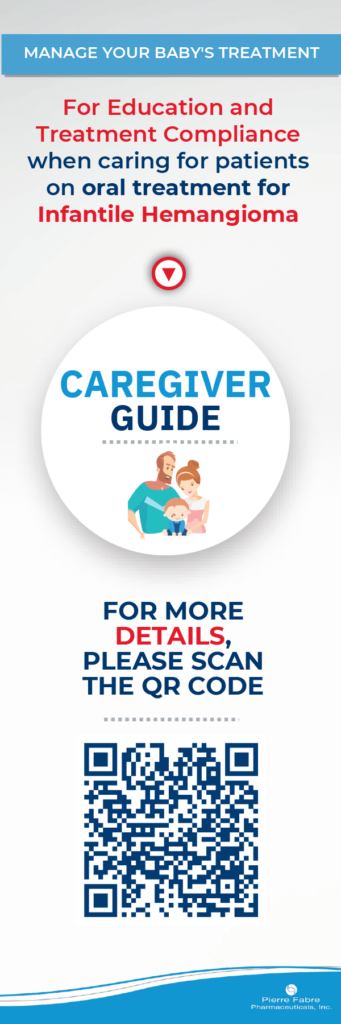
The HEMANGIOM' APP

For Education and Treatment Adherence when Caring for Hemangeol Patients

Hemangiom’App is a digitalization of the caregiver guide, designed to help you manage your infant’s treatment plan through support and guidance.

This app is intended for the exclusive use of caregivers 18 years and older. The Hemangiom’ App is not intended to provide treatment decisions or replace the care and advice of a licensed healthcare provider. If you have any questions about this information, be sure to discuss them with your healthcare provider.

Downloadable PDFs

HEMANGEOL Patient Brochure
HEMANGEOL
Patient Brochure (English)
HEMANGEOL PATIENT BROCHURE SPANISH
HEMANGEOL
Patient Brochure (Spanish)
HEMANGEOL English Instructions
HEMANGEOL
Instruction (English)
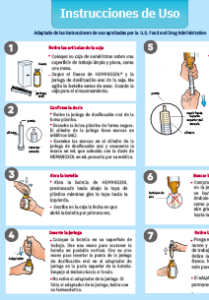
HEMANGEOL Spanish Instructions
HEMANGEOL
Instruction (Spanish)
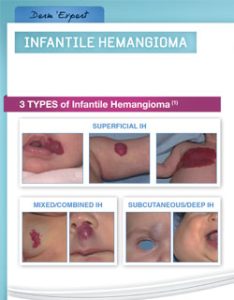
derm expert brochure for Hemangeol
Derm Expert
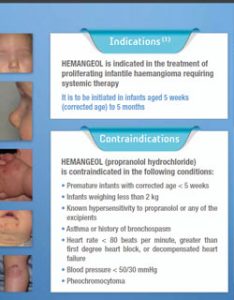
hemangeol brochure
HEMANGEOL
Guide
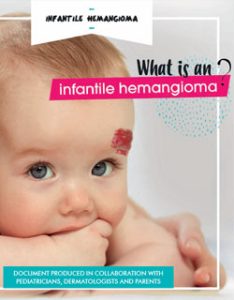
what is infantile hemangioma brochure
HEMANGEOL
Patient Brochure
carrier information
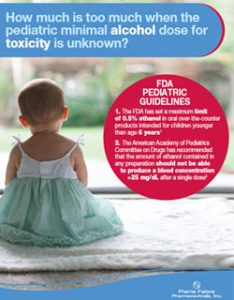
Alcohol Pediatric Guidelines
The Vascular Birthmarks Foundation Logo
FAQ Guide of the Vascular Birthmarks Foundation
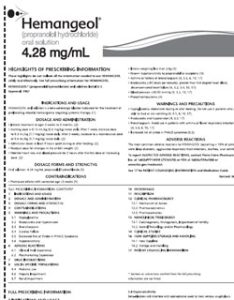
HEMANGEOL Prescribing Information
HEMANGEOL
Prescribing Information

Videos

What is Infantile Hemangioma?
How to use HEMANGEOL
To understand and treat the Infantile Hemangioma - Caregivers roles
The New HEMANGIOM APP

Important Safety Information for HEMANGEOL
HEMANGEOL can cause serious side effects, including low blood sugar (hypoglycemia), for your child. Please read the important safety information for HEMANGEOL and speak with your doctor before taking HEMANGEOL.

Important Safety Information for HEMANGEOL

Do not give HEMANGEOL to your child if your child:

  • was born prematurely and has not reached the corrected age of 5 weeks
  • weighs less than 4 ½ pounds
  • is allergic to propranolol or any of the other ingredients in HEMANGEOL
  • has asthma or a history of breathing problems
  • has a heart problem, slow heart rate (less than 80 heart beats per minute), very low blood pressure
  • is at risk for low blood sugar, for example is vomiting or unable to take feedings
  • has high blood pressure caused by a tumor on the adrenal gland, called “pheochromocytoma”


Tell your doctor about all of your child’s medical conditions, all of the medicines your child takes, and all of the medicines that you take if you are breastfeeding your child.

HEMANGEOL can cause serious side effects, including:

Low blood sugar (hypoglycemia), especially if your child is not taking feedings, or is vomiting. HEMANGEOL may make it more difficult to recognize the signs and symptoms of low blood sugar in your child. To help reduce the risk of low blood sugar with HEMANGEOL, give HEMANGEOL during or shortly after feeding your child. Feed your child regularly during treatment. Tell your doctor if your child has a poor appetite. If your child is not taking feedings, due to an illness or vomiting, do not give HEMANGEOL until your child is taking feedings normally again.

If your child has any of the signs or symptoms of low blood sugar listed below during treatment with HEMANGEOL, stop giving your child HEMANGEOL and call your doctor or go to the nearest emergency room right away.

Signs or symptoms of low blood sugar include: pale, blue or purple skin color, sweating, irritability, crying for no apparent reason, irregular or fast heartbeat, poor feeding, low body temperature, unusual sleepiness, seizures, breathing stops for short periods of time, and loss of consciousness

If your child is conscious, give him/her a drink of a liquid containing sugar.

Other serious side effects can include:
  • New or worsening slow heart rate (bradycardia) or low blood pressure (hypotension).
  • Breathing problems or wheezing.
  • Stroke. HEMANGEOL may increase the risk of stroke in certain children who have severe problems with the blood vessels in their brain, particularly if your child has a large hemangioma that affects the face or head.


Call your doctor or go to the nearest hospital emergency room if your child has:

  • pale skin color, slow or uneven heartbeats, arms or legs feel cold, blue or purple skin color, or fainting.
  • breathing problems or wheezing during treatment with HEMANGEOL.


The most common side effects include:
 sleep problems, worsening respiratory tract infections, diarrhea, and vomiting.

These are not all the possible side effects of HEMANGEOL. Call your doctor for medical advice about side effects.

You are encouraged to report negative side effects of prescription drugs to the FDA. Visit www.fda.gov/medwatch or call 1-800-FDA-1088.

Please see Full Prescribing Information and Medication Guide.